
News Summary
Los Angeles is experiencing a culinary revival centered on flor de izote, the delicate blooms of the giant yucca. This seasonal delicacy, meaningful to Salvadorans, connects them to their cultural roots. Residents like Karla Tatiana Vasquez share memories as they gather these blossoms from neighborhoods. The vibrant El Salvador Corridor in LA boasts market stalls laden with flor de izote, where traditional recipes are shared. As Vasquez prepares dishes like flor de izote con huevos, these culinary practices highlight resilience, heritage, and the immigrant experience, establishing a profound link between past and present.
Los Angeles is witnessing a culinary revival centered around flor de izote, the delicate blossoms of the giant yucca, which hold cultural significance for many Salvadorans. This seasonal delicacy, which blooms in Southern California during August and September, is especially meaningful to Karla Tatiana Vasquez, who grew up in the city and has fond memories linked to the flower as a symbol of her heritage.
Vasquez’s parents fled El Salvador during the civil war, making the flor de izote a poignant representational element of their cultural roots. The flower is not only the national flower of El Salvador but also serves as a culinary ingredient cherished within Salvadoran communities in the region. As they bloom, they are often excitedly pointed out from car windows, a custom that Vasquez fondly recalls from her father.
In recent weeks, family members of Vasquez have engaged in the traditional practice of scavenging for flor de izote in neighbors’ yards, highlighting the communal spirit that is prevalent among Salvadorans regarding the sharing of local flora. This practice reflects a deep connection to their heritage, as well as a shared sense of culture and community.
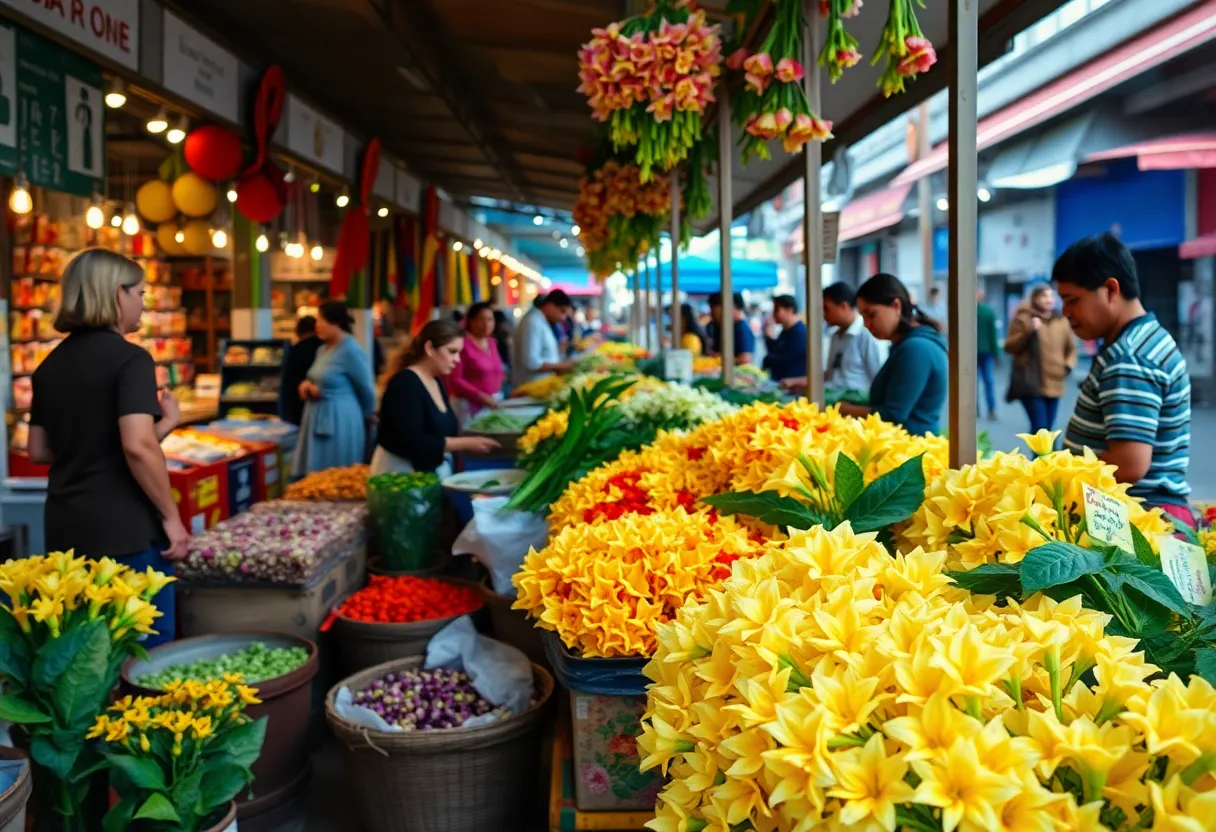
Searching for these blossoms led Vasquez and a companion to the El Salvador Corridor, a lively 14-block stretch of market stalls located on Vermont Avenue in central Los Angeles. Here, stalls brim with fresh flor de izote, with vendors offering the flowers at prices ranging from $15 to $25 per branch. At the market, vendors frequently share traditional recipes, showcasing the versatility of this unique ingredient.
Once back in her kitchen, Vasquez prepares the flor de izote with a specific technique. She carefully picks the flower petals, discarding the bitter parts, and then cooks them with onion, tomato, and scrambled eggs. The dish, known as flor de izote con huevos, evokes feelings of joy and nostalgia for her. This cooking experience is not merely a meal preparation for Vasquez; it is a meditative process that enhances her connection to her Salvadoran identity.
The act of finding and preparing flor de izote resonates as a metaphor for the immigrant experience, encapsulating themes of resilience and rediscovery. For Vasquez, each meal serves as a symbol of her family’s struggles and triumphs, making Los Angeles feel like a true homeland despite their difficult history. The elation associated with eating the blossoms fosters a unique appreciation for their cultural heritage, reinforcing the importance of culinary practices in maintaining identity.
As the flor de izote continues to flourish in Los Angeles, it represents more than just a seasonal ingredient; it is a bridge connecting past experiences with contemporary life for many Salvadorans. The tradition of using the flower in recipes like flor de izote con huevos persists through generations, solidifying its place not only in the local cuisine but also in the heart of those who cherish their roots.
Deeper Dive: News & Info About This Topic
HERE Resources
Additional Resources
- Eater: El Salvador Corridor Street Food Market
- Wikipedia: Flor de Izote
- Los Angeles Times: Giant Yucca
- Google Search: Giant Yucca
- Civil Eats: Op-Ed on Immigration and Food
- Google Scholar: Immigration and Culinary Practices
- LAist: Tacos Made the Black Angeleno Way
- Encyclopedia Britannica: Culinary Traditions