
News Summary
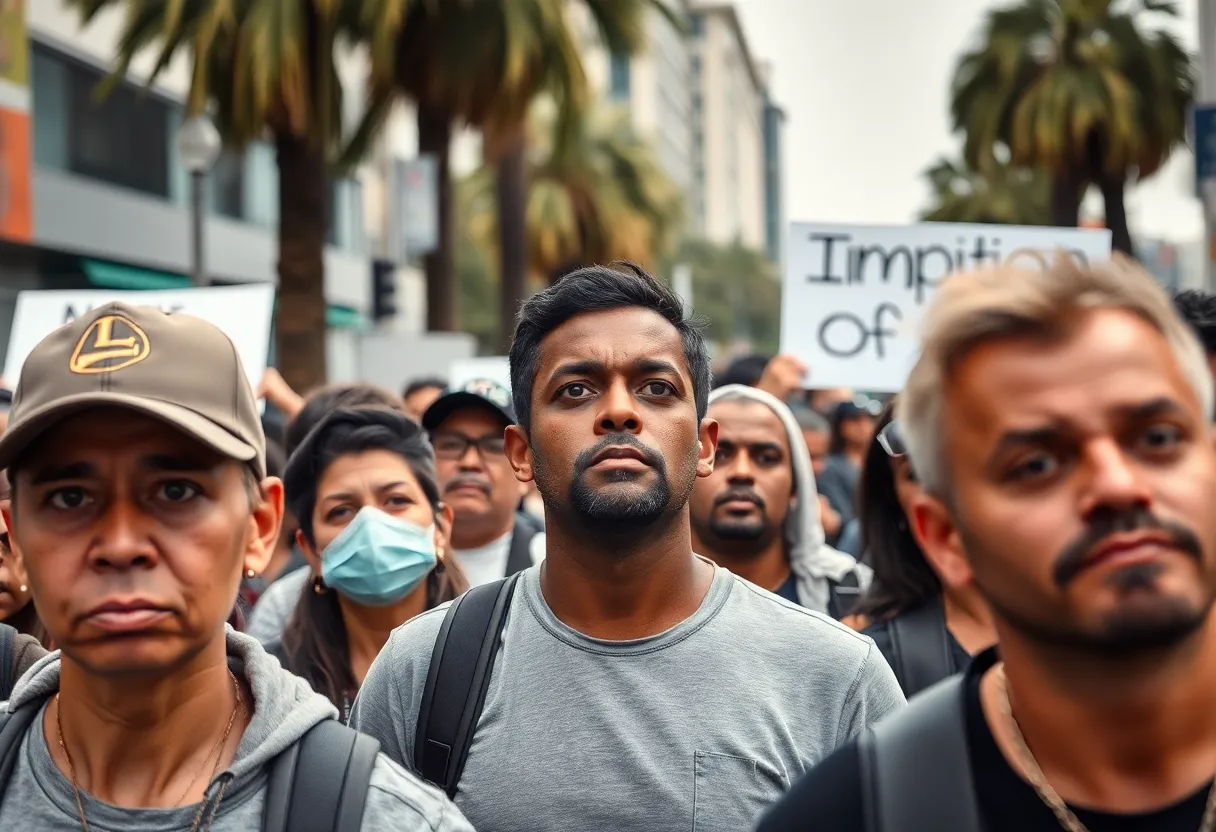
The U.S. Supreme Court has ruled to allow federal immigration authorities to resume immigration raids in Los Angeles, overturning previous restrictions. This decision raises concerns about potential racial profiling and its impact on the Latino population in Southern California. Advocates warn that fears of increased enforcement may lead to reduced participation from immigrant communities in public life. Local organizations are mobilizing to offer support and educate residents about their rights amid these changes.
Los Angeles Supreme Court Ruling Allows Resumption of Immigration Raids
Los Angeles has become the epicenter of renewed immigration enforcement actions after the U.S. Supreme Court granted an emergency appeal that permits federal immigration authorities to resume “roving patrols” in the city. This decision, reached with a 6-3 vote along ideological lines, overrides a federal judge’s previous ruling that had placed restrictions on such practices.
The earlier ruling, delivered by U.S. District Judge Maame Ewusi-Mensah Frimpong, highlighted that Immigration and Customs Enforcement (ICE) agents were allegedly using impermissible criteria—such as race, ethnicity, language, occupation, and location—to create “reasonable suspicion” for detaining individuals. Judge Frimpong found that these practices likely violated the Fourth Amendment, which protects against unreasonable searches and seizures. The decision stemmed from a lawsuit filed by the American Civil Liberties Union (ACLU) and various immigrant rights organizations representing several plaintiffs who claimed they were wrongly detained or questioned.
The Supreme Court’s ruling has raised significant concerns among critics who argue that it could disproportionately affect the Latino population in Southern California. Many are apprehensive about the potential for increased racial profiling and unlawful detentions among immigrant communities. Local leaders, including California Attorney General Rob Bonta, have expressed alarm over the implications of allowing race to factor into immigration enforcement, describing the ruling as deeply troubling.
Impact on Immigration Enforcement
The recent Supreme Court decision effectively removes restrictions that had been imposed on immigration enforcement practices. These previously established guidelines had promised to decrease the frequency of raids targeting community hotspots, including car washes, Home Depot parking lots, and bus stops. Following the ruling, the Department of Homeland Security announced that it would resume intensified immigration enforcement operations within Los Angeles, including a spike in arrests.
The implications of the ruling are particularly significant in a city where approximately one in ten residents is undocumented, and many families live in mixed-status households. Anecdotal evidence indicates that fear stemming from past immigration raids has led to reduced participation by immigrant individuals in public life, including lower attendance in workplaces and community activities.
Responses from the Community
Immigrant rights advocates have mobilized in response to the ruling, emphasizing that it could exacerbate fear and division within the community. Local organizations, including the Coalition for Humane Immigrant Rights (CHIRLA) and Long Beach Forward, are working to provide resources and educational workshops to help residents understand their rights and navigate potential interactions with immigration authorities.
Experts are advising individuals who may encounter ICE agents to be aware of their rights, including the right to remain silent and the requirement for federal agents to present valid warrants for home entries. Various advocacy groups are actively engaged in initiatives aimed at lessening the negative impacts of the recent Supreme Court ruling and providing legal assistance to those affected.
Background on Immigration Raids
The Supreme Court’s decision comes at a time when immigration enforcement is a contentious issue in the United States, particularly in California, where several ongoing litigation cases related to immigration practices await further examination. The ruling signifies a potential pivot in the legal landscape surrounding immigration enforcement in the state and raises questions about increased scrutiny and action against immigrant populations.
Moreover, Justice Sonia Sotomayor’s dissenting opinion underscored concerns that the ruling poses a threat to constitutional rights and reinforces discriminatory practices based on race and language. As California continues to grapple with these complex immigration issues, the impact of the Supreme Court’s ruling will likely resonate through local communities and ongoing legal debates.
Deeper Dive: News & Info About This Topic
HERE Resources
LAist Appeals for Community Support Amid Funding Cuts
Federal Judge Blocks Military Law Enforcement in California
Labor Day Protests in Los Angeles Against Trump Policies
California Climates Top Public High Schools in National Rankings
Federal Funding Cuts Impact Public Media in Los Angeles
California Faces Labor Market Disruption Due to Immigration Policies
Nationwide Labor Day Protests Against Billionaire Exploitation
Surge in Restaurant Closures Plagues Los Angeles
Federal Immigration Raids Intensify in Sanctuary Cities
Labor Day Weekend Events in Los Angeles
Additional Resources
- Los Angeles Times
- Wikipedia: Immigration to the United States
- NBC News
- Google Search: Supreme Court immigration raids
- Washington Post
- Encyclopedia Britannica: United States immigration
- Politico
- Google News: Supreme Court immigration enforcement
- Reuters
- Google Scholar: immigration raids